

The Great Streaming Exodus
Why 2026 Might Be the Year We Take Music Back

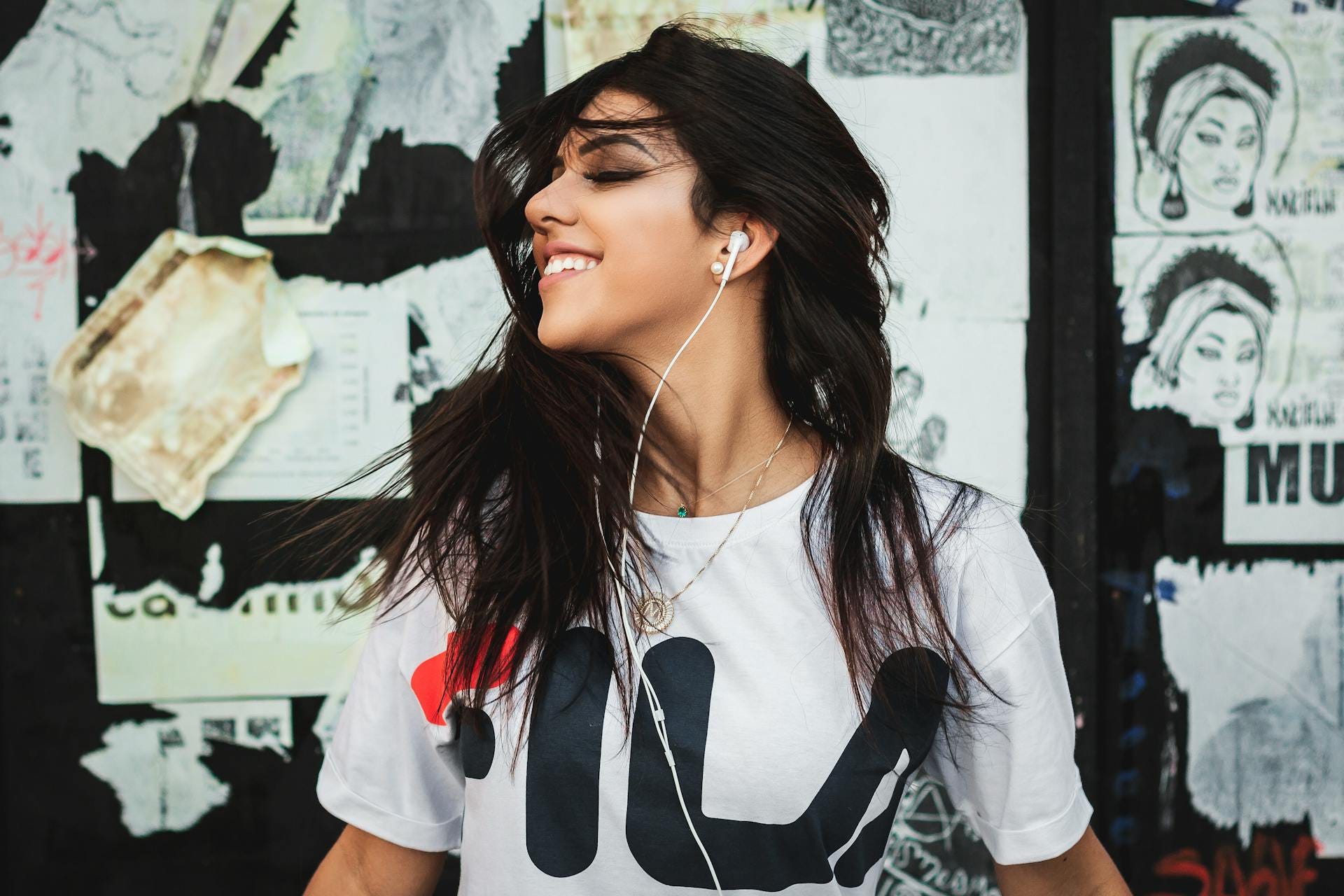
I’ve been noticing something strange lately. Almost everywhere I look, people are talking about ditching their streaming subscriptions. Not because they can’t afford them, but because they’re exhausted. “2026 will be the year of analog,” one headline declares. “My old iPod is my new savior,” reads another. At first, I thought it was just hipster nostalgia—the same impulse that brought back vinyl and cassette tapes. But the more I’ve been thinking about it, the more I realize this is something different. This isn’t about fetishizing the past. This is about reclaiming something we lost without even noticing it was gone.
How Did We Get Here?
Remember when Spotify launched? I do. It felt revolutionary. The entire world’s music catalog at your fingertips for the price of a single album per month. No more hoping your favorite artist would be on the radio. No more buying albums blind based on a single you heard once. Just pure, unlimited access to everything.
But somewhere along the way, Spotify stopped being a music platform and became something else entirely. Open the app now and you’re hit with podcasts you didn’t ask for, audiobooks you didn’t want, music videos competing for your attention, and if you’re on the free tier, an endless barrage of ads that make the whole experience feel like being shouted at in a digital mall. The core promise—music, just music—has been buried under layers of content bloat. It’s like walking into your favorite coffee shop only to discover they’ve started selling insurance, haircuts, and timeshares.
And here’s the kicker: Spotify Premium currently costs $11.99 per month in the US, which adds up to about $143.88 per year. Know what you could do with that money instead? Buy and actually own around 16 albums at Bandcamp’s standard $9 price point. Sixteen albums that are yours forever. Sixteen albums you chose intentionally. Sixteen albums that actually put money directly into artists’ pockets instead of fractions of pennies per stream.
The Problem with Everything, Everywhere, All at Once
Let’s talk about the elephant in the room: unlimited access sounds great in theory, but it’s actually destroying our relationship with music. When you have access to 100 million songs, you end up listening to nothing. Not really listening, anyway.
Music has become wallpaper. Background noise while we work, commute, cook, exist. We’ve traded depth for breadth, and we’re worse off for it. The paradox of choice is real—when everything is available, nothing feels special. There’s no commitment, no intention, no relationship with what we’re hearing. It’s just... there. An endless stream of algorithmically-determined content washing over us while we scroll through our phones.
I say this not as a musician trying to protect my own interests, but as a listener, a consumer of music who’s noticed something’s broken. The magic is gone. When was the last time you sat down and actually listened to an album from start to finish? When did you last know every lyric, every transition, every subtle production choice because you’d played something so many times it became part of your DNA?
The Lossless Lie (Or at Least, the Fine Print Nobody Reads)
Let’s talk about something that doesn’t get mentioned enough: streaming services love to advertise “lossless” audio, but what they’re actually delivering is often far from what you’d get with a proper FLAC file on your own device.
Apple Music technically offers lossless through ALAC (Apple Lossless Audio Codec), with tiers ranging from CD quality at 16-bit/44.1kHz up to hi-res at 24-bit/192kHz. Sounds impressive on paper. But here’s the catch: to actually hear true lossless from Apple Music, you need wired connections. AirPods—Apple’s own wireless earbuds—can’t play lossless over Bluetooth. For hi-res lossless, you need an external DAC (Digital-to-Analog Converter) and wired headphones. Without that hardware, you’re still getting compressed audio, just with a “lossless” label slapped on it.
Within Apple’s ecosystem, you can get lossless playback, but only if you jump through the right hoops: wired Lightning or USB-C connections, proper DAC support, and settings buried in menus that most people will never find. It’s technically possible, but it’s hedged with so many conditions that calling it “lossless” feels misleading.
Spotify’s long-promised lossless tier (which they’ve been talking about for years) finally started rolling out, but independent testing has revealed problems. The audio gets routed through the operating system’s mixer on Windows, which means it’s not bit-perfect—the signal gets altered and degraded during playback, even if the source file is technically lossless. On Android, the quality improves, but you still don’t get the exact, unaltered audio you’d get from playing a FLAC file directly. The improvements over Spotify’s high-quality 320kbps streams are subtle at best, and in many cases, listeners struggle to hear the difference at all.
The point isn’t to turn this into an audiophile purity test. It’s simpler than that: if you own FLAC files and play them on your own device with decent playback software, you’re hearing exactly what was mastered, with zero compromise. No encoding tricks, no Bluetooth compression, no OS mixer degradation, no hidden technical asterisks. Just the music, as it was meant to be heard. That’s what “lossless” is supposed to mean, and streaming services—despite their marketing—rarely deliver that without external hardware and very specific setups.
The Algorithm Doesn’t Know What You Need
Here’s what really gets me: we’ve outsourced our taste to machines. Spotify’s algorithm is constantly feeding us “Discover Weekly” playlists and “Release Radar” updates and “Daily Mixes” based on what we’ve already heard. It’s an echo chamber disguised as discovery. The algorithm doesn’t want you to find something challenging or uncomfortable or genuinely new—it wants to keep you engaged, keep you clicking, keep you generating data.
Making up your own mind about what to listen to is priceless. It’s the difference between being fed and actually tasting your food. When you seek out music intentionally—when you read about an artist, follow a recommendation from a friend, dive into a genre you’re curious about—you’re engaging with culture actively instead of passively consuming whatever the algorithm decided would keep your eyes on the screen for another few minutes.
The algorithmic recommendation system creates a false sense of personalization while actually homogenizing taste. Everyone gets funneled toward the same mid-tempo, playlist-friendly, algorithm-optimized sound because that’s what keeps people subscribed. Weird, challenging, difficult, experimental music gets buried because it doesn’t fit the engagement metrics. You end up in a feedback loop where you only hear more of what you’ve already heard, endlessly recycled and repackaged.
The Artist Question (Even Though I’m Not Looking at This as an Artist)
I have to mention this, even though I’m approaching this whole thing as a listener: Spotify pays artists almost nothing. We’re talking fractions of pennies per stream. For most musicians, streaming revenue is barely enough to buy coffee, let alone sustain a creative practice. When you buy music directly—whether it’s a digital download or a physical format—you’re supporting artists in a meaningful, direct way. You’re saying “I value what you made enough to actually own it.”
This matters even if you’re not a musician. It matters because the economics of streaming are making it harder for artists to survive, which means less music gets made, less risk gets taken, less weird and wonderful and challenging art makes it into the world. If you care about music continuing to exist and evolve, the way you consume it actually matters.
Where to Buy Music You Actually Own
If you’re ready to start building a collection again, here are five places where you can buy digital music directly:
Bandcamp – The gold standard for direct artist support. Fair revenue splits, lossless downloads, and a community that actually cares about music. Digital albums average around $9, with individual tracks at $1.50.
Qobuz – High-resolution audio store with a massive catalog and a focus on sound quality. Great for audiophiles who want FLAC files.
7digital – Long-running digital music store with major label and independent catalogs. Multiple format options including MP3 and FLAC.
HDtracks – Specializes in high-resolution audio downloads for serious listeners who want the best possible sound quality.
Artist websites – Many musicians sell directly from their own sites. It’s worth checking because they often keep more of the money this way.
Owning Files Means Owning Responsibility
There’s one unglamorous part of owning digital music: if you lose your files, there’s no “reset my password” button that magically restores everything. When you walk away from streaming, you become your own archive department. A basic rule of thumb helps: keep at least two copies of your collection, in two different places. That might mean your main drive plus an external hard drive, or a local library plus an encrypted cloud backup. It doesn’t have to be fancy or expensive, it just has to be deliberate.
Organizing your library also becomes part of the ritual. Clean metadata, consistent folder structures, proper tagging—all the boring stuff—actually pays off when you want to find that one EP you bought at 2 a.m. three years ago. It’s a quiet pleasure: opening your library and seeing something that looks like a personal museum instead of a corporate interface. You’re not just scrolling; you’re walking through your own shelves.
Your Smartphone as a Serious Music Player
You don’t have to buy new hardware immediately to leave streaming behind. The phone in your pocket can already be a very capable offline player if you treat it as such.
On Android, two standouts:
Poweramp – A heavyweight music player that supports FLAC and other lossless formats, with a powerful equalizer, gapless playback, replay gain, and a deep level of customization. It’s built for people who actually care about listening, not just shuffling.
foobar2000 (mobile) – A minimalist but extremely capable player based on the legendary desktop app. It supports a wide range of formats including FLAC, WavPack, and Opus, can handle large libraries, and focuses on function over flash.
On desktop, foobar2000 remains one of the most flexible players for Windows, and there are excellent FLAC-capable players across macOS and Linux as well. The key is simple: pick a player that respects your files, doesn’t nag you into subscriptions, and doesn’t pretend to know better than you what you want to hear.
On iOS, despite Apple’s ecosystem quirks, there are strong apps that let you keep and play FLAC files without drama. VOX Music Player is particularly impressive—it handles hi-res audio beautifully and can sync your library between your iPhone and Mac. Flacbox supports FLAC, DSD, APE, and ALAC files, and even lets you stream directly from cloud storage or your computer. Both options prove that you don’t need to convert your lossless files to Apple’s preferred formats anymore.
Used this way, your phone stops being primarily a portal to streaming platforms and starts becoming a portable library. It’s a shift in mentality more than technology.
When a Separate Player Makes Sense
Even with all that, there’s a strong case for getting music off the main distraction device entirely. Phones are where attention goes to die: messages, notifications, social feeds, email. Trying to listen deeply on a device that’s constantly buzzing is like trying to meditate in the middle of a shopping mall.
That’s where modern dedicated players come in. Instead of digging out a decade-old iPod with a dying battery and limited format support, there are new, compact digital audio players that:
Support lossless formats like FLAC and others.
Offer better sound quality than most phones.
Include Bluetooth for modern headphones and speakers.
Have batteries and storage designed specifically for long listening.
A good example is the FiiO Echo Mini. This isn’t a sponsorship or a brand deal—just a solid recommendation. It’s small, designed around sound first, and costs less than a year of most full-price streaming subscriptions. Paired with a carefully built library, it becomes a dedicated space where the only decision is “what album do I want to live in right now?”
The Drawbacks of Ditching Streaming (And Why They Might Be Worth It)
Abandoning streaming isn’t a purely romantic move. There are real inconveniences:
No instant access to anything you think of at any moment.
No one-button “discover” playlists that fill the silence for you.
You have to manage files, backups, and storage.
You have to pay up-front for music instead of spreading cost over an invisible subscription.
You will miss some zeitgeist moments that only exist within streaming ecosystems.
But those inconveniences are also the friction that creates meaning. When it takes a little effort to get something, you value it more. When you don’t have 100 million tracks at your fingertips, you actually listen to the 150 you do have. When you pay attention to what you buy, your library becomes a reflection of taste, not a residue of skipped playlists.
January 1st, 2026: A Different Kind of Resolution
So from the first day of 2026, the deal is this: no streaming. Just 150 albums already owned, waiting to be explored, revisited, and re-heard with fresh ears. That number is both small and huge. Small compared to a platform catalog; huge compared to how much music most people truly absorb in a year.
And no, this won’t be a secret project to endlessly replay personal releases. By the time a track has survived writing, arranging, sound design, mixing, mastering, revisions, “can you turn the kick up 0.3 dB?” tweaks, format exports, and final delivery, the artist version of the brain has usually moved from love to “if I hear this snare one more time, I will actually dissolve.” It’s not that the track is bad—it’s just been heard so many times it becomes like wallpaper in your own house: invisible.
That’s exactly why listening outside of your own genre becomes such a gentle obsession. It’s where the joy lives. You get to be surprised again. You get to hear ideas without instinctively thinking “how did they EQ that?” or “what’s the sidechain doing?” Other people’s music becomes a quiet engine for inspiration instead of a point of comparison.
How to Actually Discover Music in an Offline World
The obvious pushback to ditching streaming is: “But how do I find new music without algorithms?” It’s a fair question, and the answer is simpler than you think. We discovered music for decades before Spotify existed, and those methods still work—often better, because they involve actual human curation and taste instead of engagement metrics.
Bandcamp isn’t just a store—it’s a discovery engine. You can browse by genre, explore what’s trending in specific cities around the world, follow tags that match your interests, and read actual descriptions written by the artists themselves. The community feature lets you see what other listeners are buying and recommending. It’s social discovery without being algorithmically manipulated.
Substack & Medium has quietly become one of the best places for music writing and curation. Independent music critics, artists, and obsessive listeners run newsletters dedicated to specific genres, scenes, or just “things I’m listening to this month.” It’s human-written, context-rich, and comes with actual opinions instead of neutral playlists. You get stories, histories, and genuine enthusiasm.
Music blogs and online publications are still thriving if you know where to look. Sites like Indie Shuffle, Pigeons & Planes, and Hype Machine curate handpicked tracks across genres, often championing emerging artists long before they hit mainstream platforms. These are run by people who actually care about music, not just user retention metrics.
Reddit and music forums remain gold mines for discovery. Communities like r/listentothis, genre-specific subreddits, and dedicated forums are full of people passionately recommending deep cuts, overlooked releases, and artists that don’t fit algorithm-friendly molds. It’s messy, human, and often brilliant.
Radio—yes, actual radio—is having a renaissance, especially internet radio. Stations like NTS Radio, Worldwide FM, and local college stations program music with intent and expertise that no algorithm can match. Apps like Radio Garden let you spin a virtual globe and drop into live radio from any city in the world—instant cultural immersion without a playlist in sight.
Live shows and local venues force you into discovery whether you planned for it or not. Opening acts, festival undercard, local scenes—these are where you find artists years before they become ubiquitous. Apps like Bandsintown track tour dates without requiring a subscription, and going to see music in person creates memories that a Discover Weekly playlist never will.
The point is this: music discovery without algorithms isn’t harder—it’s just more intentional. You follow writers you trust, check in on communities you care about, support local venues, and actively seek out what interests you instead of waiting to be fed. It’s a fundamentally different relationship with music, one that puts you back in control instead of being a passive recipient of “content.”
Sharing Music Without a Share Button
The moment you step outside streaming, sharing changes too—and in a good way. Sending someone a random playlist link is easy; making a selection from your own finite library is something else entirely. A folder of tracks on a USB stick, a handpicked ZIP of FLACs, a written list of albums with a sentence on why each one matters—that’s closer to a mixtape than a “check this out if you have time” link that gets lost in chat history.
Talking about music also slows down. Instead of “the algorithm put this on my radar,” it becomes “I read about this in a newsletter,” “a friend played this at a party,” or “I found this on page four of Bandcamp’s experimental tag.” There’s a story attached to each recommendation. Discovery turns into a conversation, not just consumption. And in a world where almost everything is frictionless and forgettable, that tiny bit of effort between people is what makes the music stick.
Back to Basics, Forward in Practice
Quitting streaming isn’t about rejecting the future. It’s about choosing a different one. A future where:
Libraries are small but loved.
Albums are revisited instead of replaced.
Discovery happens through curiosity, not curation-as-a-service.
Money flows more directly to the people making the work.
Listening is something you do, not just something that happens to be on.
If that means dusting off an old habit—owning music, organizing it, sitting down with it—that’s not regression. That’s course correction.
Maybe “2026 is the year of analog” isn’t about tape hiss and rotary knobs. Maybe it’s about analog behavior in a digital world: choosing, committing, paying attention. Whether it’s on a smartphone with a serious player app, a modern FLAC-friendly device, or a dedicated little FiiO in your pocket, the core move is the same.
Less algorithm. More intention. Fewer tracks. More listening.